REVIEW · HONOLULU
First-Time Scuba Diving in Honolulu + Free Videos
First-time scuba in Honolulu can feel like a lot. This one keeps it simple: a small group try-scuba lesson with gear fitting, a safety seminar, and a relaxed time in calm water near Oahu’s shoreline. You stay within about 15 feet, build confidence step by step, and come back with videos that capture the moment you finally get comfortable underwater.
What I like most is the instructor focus on comfort and safety. I’ve seen multiple mentions of guides like Danny, Alex, Nick, and Rida being patient, checking in often, and teaching clearly so nervous beginners can still enjoy the experience. The second big win is the take-home media: your guide records your underwater time and you get a GoPro video afterward (plus photos), so the memory is more than just a vague feeling of trying it once. The main thing to consider: conditions can affect visibility, and the protected-water setup may mean you don’t always get the same marine-life density you’d see on an open-ocean outing.
In This Review
- Key points to know before you book
- Honolulu’s first try-scuba lesson: calm water, clear coaching
- Price and value: why $89 feels fair for first-timers
- Meeting at Magic Island Lagoon: what you’ll do before the water
- Safety briefing and gear fitting: where confidence is built
- The water portion: from waist-deep calm to about 15 feet
- Ala Moana Beach Park: why the protected setting helps beginners
- What marine life you can realistically spot
- GoPro video and photos: the take-home memory you’ll want
- Who this Honolulu scuba session suits best
- Tips that help on the day (based on what guides emphasize)
- Weather and water clarity: the only real variables
- Bottom line: should you book this first try-scuba in Honolulu?
- FAQ
- Do I need prior scuba certification to book this experience?
- What is the maximum depth during the session?
- Do I need swimming experience?
- What kind of gear is provided?
- Can I wear glasses or contact lenses?
- Is it safe to fly soon after the experience?
Key points to know before you book
- Small-group format capped at 16 means you’re not fighting for attention when you’re learning
- Gear and instruction are included so you’re not piecing together snorkeling-scuba stuff at the last minute
- Waist-deep to about 15 feet builds confidence without sending beginners too far out of comfort range
- Underwater GoPro video and photos are part of the deal, often shared quickly afterward
- Marine-life spotting is realistic but weather-dependent, especially water clarity and calmness
Honolulu’s first try-scuba lesson: calm water, clear coaching
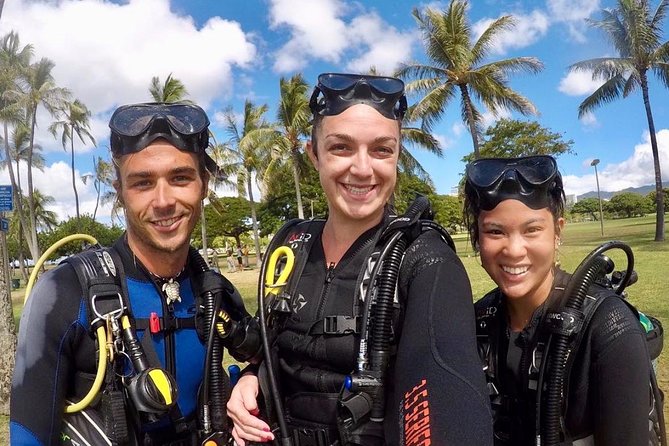
If you’ve never used scuba gear before, the first challenge is not the ocean. It’s your brain arguing with the new equipment. This experience is built around that reality. You meet at Magic Island Lagoon, get fitted with a wetsuit and scuba gear, then move into a structured “practice first” session.
The vibe is beginner-friendly in the way that matters: no rushing, no awkward guesswork, and a guide who stays with you during the water time. Guides named Alex, Danny, Nick, and Rida show up in the feedback as the people who keep first-timers from panicking by teaching the steps clearly and staying close. That’s the difference between an activity that’s exciting and one that feels stressful.
You also get a key limit: max depth is around 15 feet. That matters because it keeps the session focused on learning, not surviving.
Price and value: why $89 feels fair for first-timers
At $89 per person for about 1 hour 30 minutes, the value comes from what’s included, not from what you have to arrange yourself. You get:
- All scuba equipment
- Gear fitting and instruction
- A safety briefing
- Guided time in the water
- A GoPro video of your underwater adventure
For a first try, that’s the smart way to spend money. You’re paying for training and guidance, not for a long day of “good luck out there” energy. You’re also not forced into certification in order to enjoy this session. If you’re still deciding whether scuba is for you, this gives you real experience quickly.
One small note on value: the “free videos” are complimentary, but if the camera has issues, there’s no refund for the tour. It doesn’t mean the videos won’t work. It just means you shouldn’t treat the video as the only reason to go.
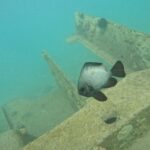
Deeper water off Honolulu, more dives
Meeting at Magic Island Lagoon: what you’ll do before the water
Your meeting point is Magic Island Lagoon in Honolulu. Plan to arrive ready to move. You’ll be fitted with a wetsuit and scuba gear, so it helps to come in clothes that are easy to change out of and to expect some walking with equipment.
This is also a good tour if you’re not a swimmer in the training sense. The requirement is simpler: you don’t need swimming experience, but you do need to be comfortable in the water and able to walk with the gear.
From a practical standpoint, that means you should pick this day like you would for any water activity:
- Wear something you don’t mind getting wet
- Bring a towel and something dry to change into after
- Keep your expectations realistic: it’s a teaching session, not a long ocean expedition
Safety briefing and gear fitting: where confidence is built
This experience starts with instruction on safety and gear use, then transitions into practice in very manageable conditions. Once you’re suited up, you get a safety briefing before you go underwater. Then you begin in waist-deep water so you can learn how everything feels before going deeper.
In the reviews, the most praised theme is that instructors are patient and attentive. People mention that guides stay with them and check that they’re doing okay, which is exactly what you want when your first try includes mask fit, breathing rhythm, and the unfamiliar sensation of being buoyant.
A couple of practical details you should know ahead of time:
- Contact lenses are allowed.
- Prescription glasses cannot be worn under the scuba mask.
- Underwater magnification can make objects appear about 25% closer and larger, which can make fish and coral feel bigger than you expect.
That last point is helpful because beginners often worry about not seeing enough. If you can relax, the water “camera zoom” effect can make marine life feel close and exciting.
The water portion: from waist-deep calm to about 15 feet
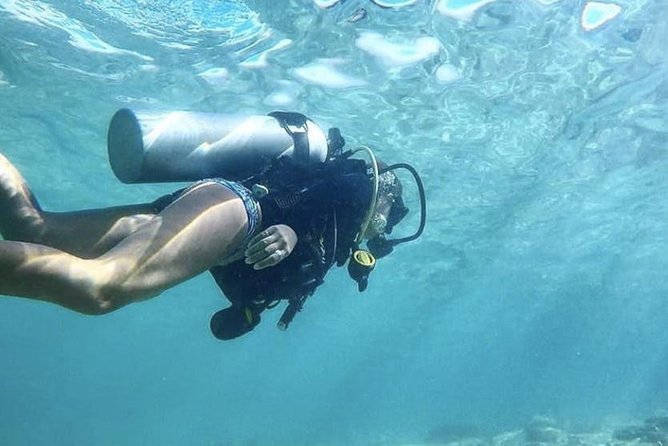
The session is structured. You don’t start at full depth and hope you figure it out. You start shallow, practice, then go deeper once you feel comfortable.
Your guide accompanies you into the water and keeps the group moving together. That companionship matters, because scuba gear changes your mobility and you may need quick fixes—like adjusting your mask or getting your breathing steady.
Expect a progression like this:
- Waist-deep practice to get comfortable with your setup
- Instruction and feedback while you learn the basics
- Gradual movement deeper as confidence builds
- A relaxed tour of marine life, within about 15 feet max depth
Some reviews also hint at how short and focused the trip can feel. That’s not a flaw; it’s part of the beginner design. If you want a long exploration day, you’ll likely need a different type of excursion. If you want a solid first experience with good instruction, this format fits.
- Oahu Grand Circle Island and Haleiwa Tour: 9-Hr Deluxe Experience
★ 5.0 · 17,387 reviews - Oahu: Grand Tour Around Island 16 Locations plus Snorkeling
★ 5.0 · 8,669 reviews - Salute to Pearl Harbor Including USS Arizona
★ 4.5 · 7,433 reviews - Majestic Circle Island Tour with Lunch
★ 5.0 · 7,014 reviews
Ala Moana Beach Park: why the protected setting helps beginners
Your itinerary includes Ala Moana Beach Park. The big advantage of this kind of near-shore setup is control. Beginners do best when conditions are calmer and the water is easier to manage.
That said, here’s the honest trade-off: a protected area can mean fewer animals than you might see on a wide-open excursion. One review described a setup with murky water and a wall separating it from the sea, with fewer marine creatures as a result. Another comment mentioned plans can change due to winds and water clarity.
So your takeaway is simple: you can expect marine-life encounters, but the exact “wow factor” can vary with visibility and conditions. If your day is slightly murky, focus on learning first. Fish and sea life are a bonus, not a guarantee.
What marine life you can realistically spot
This isn’t a promise that you’ll see everything on the list. But the experience is geared for beginners to spot eye-catching creatures without needing advanced spotting skills.
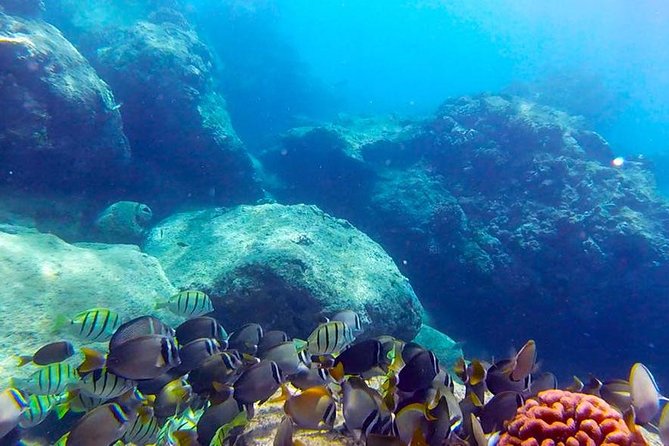
The highlights you may look for include:
- Green sea turtles
- Octopus
- Sea stars
- Colorful tropical fish
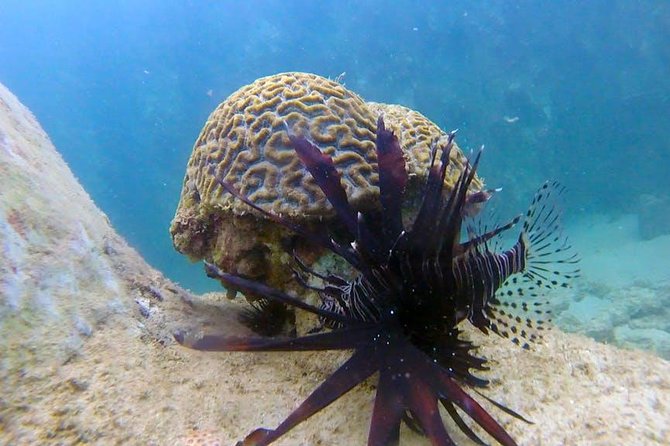
In the feedback, people also reported seeing things like coral, starfish, boxfish, sea cucumbers, jellyfish, and even dolphins. Again, not every group will see dolphins or jellyfish, but the recurring theme is that first-timers often come up excited because they actually saw living things—not just rocks and bubbles.
If you want better odds, you can’t control the water. But you can choose your session time. One instructor tip shared in the reviews was that an earlier session can help with marine sightings. If you have flexibility, ask what time slot tends to have the best water conditions that day.
GoPro video and photos: the take-home memory you’ll want
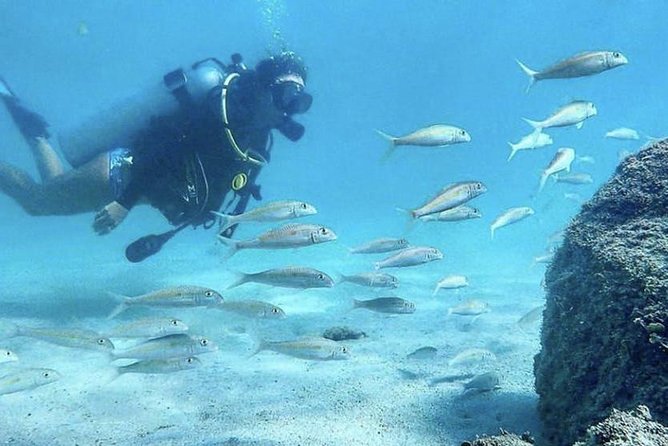
This is one of the best parts of the deal. Your guide takes videos and pictures during the underwater time, and you get a GoPro video at the end of the session.
In several accounts, people mention receiving the content via airdrop after the trip. It’s a nice touch because you’re not waiting days or weeks just to see what happened.
A practical note: since the videos are included but not guaranteed if the camera malfunctions, your best mindset is to treat the media as an extra. Your real win is the skill-building and the confidence you gain from staying calm underwater.
Who this Honolulu scuba session suits best
I’d point you to this tour if you fit one of these profiles:
- You’re a true beginner who wants coaching and a controlled first underwater experience
- You’re somewhat experienced and want a low-key refresher
- You want a small-group setting with close instructor attention
- You’re traveling with teens or kids who can follow instructions and feel comfortable in the water
The reviews include a “great for kids” mention, including a 10-year-old’s experience and a calm, safe feeling in the water. The keys there are that the water area was calm, and the guide did a strong job with instruction and attention.
On the other hand, you should rethink it if you expect a long open-ocean adventure, or if you’re not comfortable with being in the water while wearing gear.
Tips that help on the day (based on what guides emphasize)
Here’s what consistently helps first-timers succeed:
- Listen hard during the safety briefing. Most problems start before you even enter.
- Tell your instructor immediately if something feels off. The best results come from quick adjustments.
- Practice relaxing your breathing. It’s the fastest way to feel in control.
- If you’re going to tip, have some cash ready. One review specifically called out bringing extra cash to tip the instructor.
Also: there’s a note about flying. Flying within 12 hours after your scuba session is not recommended. If your schedule is tight, plan a buffer day if you can.
Weather and water clarity: the only real variables
Everything about this tour depends on water conditions. Winds and water clarity can change what you see and how the day runs. The tour is weather-dependent, and if it’s canceled due to poor conditions, you’ll be offered a different date or a full refund.
In other words, you’re booking an ocean experience, even if the training happens in calmer water. Your job is to show up prepared and flexible.
Bottom line: should you book this first try-scuba in Honolulu?
Book it if you want a short, structured first experience that focuses on safety, confidence, and real underwater encounters. The strongest reasons are the instructor quality (patience and clear teaching, with names like Danny, Alex, Nick, and Rida showing up repeatedly), and the fact that you get gear, guidance, and a GoPro video included.
Skip it or consider alternatives if you’re chasing maximum marine-life variety regardless of conditions. The protected-water setup can be amazing for learning, but it can also limit what you see when visibility is low.
If you’re on Oahu and thinking about scuba for the first time, I’d treat this as your confidence-builder. It’s the kind of “try it the right way” experience that can either spark a second trip—or at least give you a solid answer about whether scuba fits your style.
FAQ
Do I need prior scuba certification to book this experience?
No prior certification is needed. The tour is designed as a learn-to-scuba lesson or a refresher for people who want to practice with guidance.
What is the maximum depth during the session?
The maximum depth is around 15 feet.
Do I need swimming experience?
No swimming experience is necessary, but you should be comfortable in the water. You also need a moderate physical fitness level and must be physically able to walk with equipment.
What kind of gear is provided?
All scuba gear/equipment is included, and you’ll get fitted with a wetsuit and the professional scuba setup before going in the water.
Can I wear glasses or contact lenses?
Prescription glasses cannot be worn under the scuba mask. Contact lenses are allowed, or you may go without. Underwater magnification makes objects appear about 25% closer and larger.
Is it safe to fly soon after the experience?
Flying within 12 hours after scuba is not recommended.
Below the Swell
- Honolulu: Beginner Scuba Diving Tour With Free Videos★ 5.0 · 57 reviews
Also on the Honolulu List
- Oahu Grand Circle Island and Haleiwa Tour: 9-Hr Deluxe Experience★ 5.0 · 17,387 reviews
- Oahu: Grand Tour Around Island 16 Locations plus Snorkeling★ 5.0 · 8,669 reviews
- Salute to Pearl Harbor Including USS Arizona★ 4.5 · 7,433 reviews
- Majestic Circle Island Tour with Lunch★ 5.0 · 7,014 reviews