
REVIEW · ISLAND HOPPING DAY ADVENTURES
Hawaii Volcanoes National Park Experience from Oahu
Big Island lava starts with coffee. This inter-island day trip links Kona’s historic Greenwell Farms with Hawaiʻi Volcanoes National Park, run in a private vehicle with a guide who calls out what you’re seeing. I love the tight, efficient stops that still feel custom, and I love that volcano time comes with real context, not just bus-window views. One drawback: the day is long, and meals are on your own, so plan snacks and water before you get hungry.
I’ve seen strong praise for guides like Mel and Henry, who mix the science with stories that make the island make sense. The route also climbs toward Mauna Kea, where weather changes fast and phone service can drop. Bring layers and assume you’ll rely on what your guide shows you more than your phone.
In This Review
- Key things that make this trip worth your time
- Oʻahu to Kona in One Shot: Why the Logistics Matter
- Your Private-Vehicle Day: How Mel and Henry Shape the Tour
- Greenwell Farms: Kona Coffee on Real Volcanic Ground
- Manuka State Wayside Park: A Quiet Nature Reset
- Punaluʻu Bake Shop: Lunch, Bread, and the Local Pace
- Punaluʻu Black Sand Beach: Sea Turtles and Volcanic Drama
- Hawaiʻi Volcanoes National Park: From Halemaʻumaʻu to Lava Tube Heat
- Halemaʻumaʻu Crater
- Kīlauea Iki Rainforest Lookout
- Thurston Lava Tube
- Active steam vents
- Safety and comfort notes you should take seriously
- Mauna Kea Access Road and Kohala Coast: Cold Air, Big Views
- Hilo: Culture, Museums, and the Human Side of Natural Events
- Time Management and What to Pack for an 8–10 Hour Loop
- Price and Value: Is $589.99 a Good Deal?
- Should You Book This Volcano-and-Big-Island Tour?
- FAQ
- What’s included in the $589.99 per person price?
- How long is the tour and when does it start?
- Are meals included?
- What should I wear and bring for this trip?
- Is cell service available during the tour?
- Can I get a full refund if I cancel?
Key things that make this trip worth your time
- Airfare + Kona-side airport transfer included: You fly from Oʻahu to Kona, then start the tour right from the Kona airport area.
- Private-vehicle comfort with a small group feel: Maximum 22 travelers, air-conditioned van, and a guide narrating throughout.
- Coffee, coast, and volcanoes all in one day: Greenwell Farms, Punaluʻu Bake Shop, Punaluʻu Black Sand Beach, and Hawaiʻi Volcanoes National Park.
- Volcano park stops go beyond the visitor center: You’ll hit classic viewpoints plus the lava tube and steam vents.
- Mauna Kea access road means colder air and quicker altitude changes: Plan for chilly temperatures and wind.
- A guide who explains the why, not only the what: Names you’ll hear in the guide rotation include Mel and Henry, both praised for making the day click.
Oʻahu to Kona in One Shot: Why the Logistics Matter
This is one of those tours that works because it removes the hardest part: figuring out how to get to the Big Island fast enough to do the good stuff in a single day. Your package includes round-trip airfare from Honolulu to Kona International Airport, so you’re not stuck trying to time rental cars, ferry schedules, or slow inter-island transfers.
The practical upside is simple. You’re dropped into an all-day route at the Kona side, starting around 8:00 am. And because you’re not driving yourself on a new island with a new vehicle, you can focus on the scenery and the stories your guide is telling from the van.
There is one small “reality check.” The tour day is long (listed at 8 to 10 hours), so you’ll want to be ready for long stretches in the car, plus walking at stops like the lava tube and nature trail.
Your Private-Vehicle Day: How Mel and Henry Shape the Tour
The biggest difference between a standard van tour and a good one is the guide’s pacing. Here, guides like Mel and Henry are repeatedly praised for turning viewpoints into lessons: why the landscape looks the way it does, how volcano activity shapes daily life, and what to watch for at each stop.
You should also know the guide role is real. The narration happens throughout the day, and at least one review noted that the guide can be more teaching than casual chat. That’s not a dealbreaker if you enjoy learning, but if you prefer a quiet day with minimal talking, you might find it a bit nonstop.
The group size is also part of the feel. Even though it’s framed as private, it caps at 22 travelers, which usually means less jostling and better chances to hear explanations clearly. Add air-conditioning and a small-van layout, and it’s a comfortable way to cross big distances without spending the day focused on roads and directions.
More one-day hops to the neighbor islands
Greenwell Farms: Kona Coffee on Real Volcanic Ground
Greenwell Farms is a named stop for a reason. This Kona-area coffee producer has been operating since 1850, started by Henry Nicholas Greenwell, and it’s one of the older coffee farms tied to Kona coffee’s global reputation.
What I like here is that you’re not just sampling coffee. You’re stepping onto the slopes of Mauna Loa, where the farming conditions matter:
- volcanic soil that feeds the plants,
- sunny mornings paired with cloud-covered afternoons,
- and consistent rainfall.
That combo is why Kona coffee tastes like Kona coffee. Even if you don’t go deep into farming details, you’ll understand what the island provides to agriculture, and your guide can connect it back to geology and climate.
The practical detail: the stop is listed at about 30 minutes, with admission ticket noted as free. That’s enough time to take in the grounds and shop or taste if available, but not enough to turn it into a slow, full tasting experience. If coffee is your obsession, you’ll still enjoy the stop; just don’t expect a long plantation-style afternoon.
Manuka State Wayside Park: A Quiet Nature Reset
After the coffee stop, Manuka State Wayside Park gives you a breather. It’s a 13-acre area along the Hawaii Belt Road (Highway 11) with wet and dry forest ecosystems mixed together, which is a cool reminder that Hawaiʻi can change quickly even over short distances.
This stop centers on the 2-mile Manuka Nature Trail. Interpretive signs help you connect what you see to geology and ecology. You’ll likely notice native Hawaiian plants and wildlife, with mentions of birds like the Hawaiian hawk and honeycreepers.
What you should consider: this is still outdoors, on natural terrain. Bring sturdy shoes and expect a walk that’s scenic but not engineered for convenience. It’s also a smaller, less-famous stop, so it can feel peaceful compared to the main attractions.
It’s listed again as about 30 minutes, so it works best if you’re okay with a short trail experience rather than a long hike. If you want a full hike, plan a separate day.
Punaluʻu Bake Shop: Lunch, Bread, and the Local Pace
Punaluʻu Bake Shop is more than a sugar stop. It’s known as the southernmost bakery in the U.S., established in 1991, and it’s famous for traditional Hawaiian sweet bread in flavors like taro, guava, and mango.
The value here is that lunch becomes part of the route, not an extra chore. The tour notes that you’ll stop here for lunch, and it’s positioned as a practical meeting point with gardens and a wide range of baked goods and menu options.
Drawback to plan around: the bakery can get busy, and one comment specifically called out that it can be overloaded. In practice, that means shorter lines for some days and longer ones for others. If you’re sensitive to delays, show up ready to place your order quickly and keep an eye on the time your guide sets for leaving.
Also, meals are not included in the tour package. You’ll pay for what you eat, though you’ll likely find the bread and lunch options well worth it for a once-in-a-day taste of local food culture.
- Oahu Grand Circle Island and Haleiwa Tour: 9-Hr Deluxe Experience
★ 5.0 · 17,387 reviews - Oahu: Grand Tour Around Island 16 Locations plus Snorkeling
★ 5.0 · 8,669 reviews - Salute to Pearl Harbor Including USS Arizona
★ 4.5 · 7,433 reviews - Majestic Circle Island Tour with Lunch
★ 5.0 · 7,014 reviews
Punaluʻu Black Sand Beach: Sea Turtles and Volcanic Drama
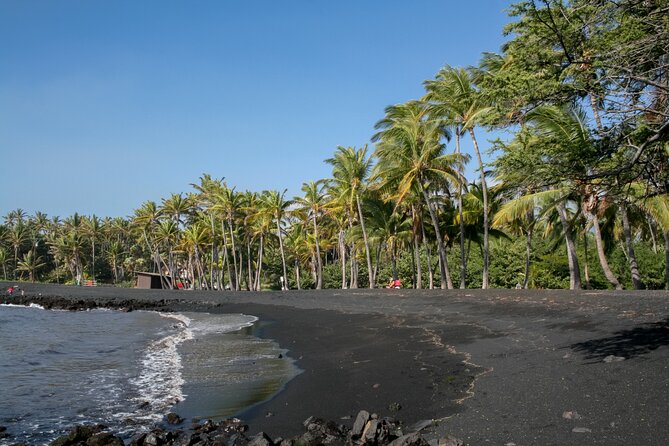
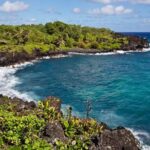
The Black Sand Beach at Punaluʻu is the kind of place that makes you pause. The black sand comes from volcanic basalt, and the setting is ringed with coconut palms that make the color contrast even more striking.
This is a great stop for animal watching. The beach is known for Hawaiian green sea turtles that often bask near the shore. Even when you don’t see turtles immediately, the scene itself explains why this part of the Big Island draws photographers and naturalists alike.
Two practical considerations:
- The water can be rough, so swimming isn’t really the plan.
- This is a short visit (about 30 minutes), so if you want multiple turtle-checks, you’ll need to be patient for a few minutes at a time and not expect long beach downtime.
It’s one of the most “photo-real” stops on this route. The volcanic origin is obvious. The turtles make it feel alive.
Hawaiʻi Volcanoes National Park: From Halemaʻumaʻu to Lava Tube Heat
The national park is the heart of the whole day, and it’s where your itinerary earns its time. You start with the visitor center for orientation, then the day moves into specific highlights.
Halemaʻumaʻu Crater
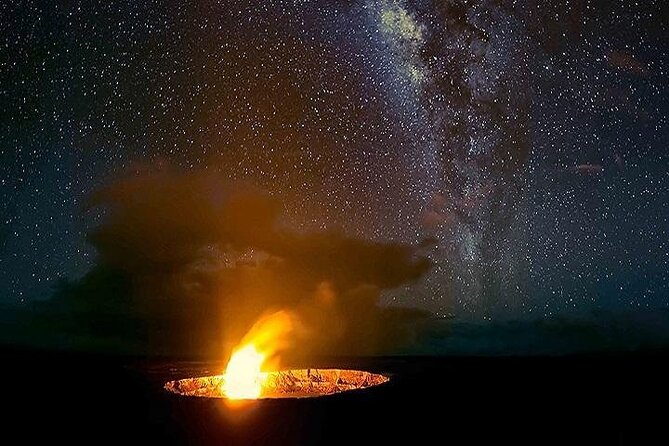
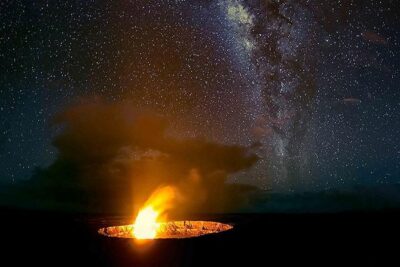
This is where you go for the “wow” factor. You’re watching the dramatic volcanic activity at Halemaʻumaʻu Crater, with the guide pointing out what’s happening in real time when conditions allow.
Even if lava glow isn’t visible during your visit, the crater area still gives you a direct view of active geothermal forces shaping the park.
Kīlauea Iki Rainforest Lookout
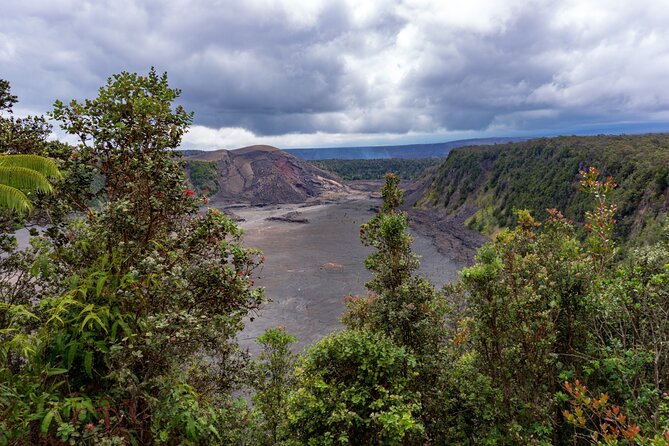
Right after volcanic intensity, the Kīlauea Iki viewpoint changes the mood. You see a contrast: rainforest growth around a massive crater area. It’s a reminder that eruption aftermath isn’t the end of life on the island. It’s the start of a new cycle.
Thurston Lava Tube
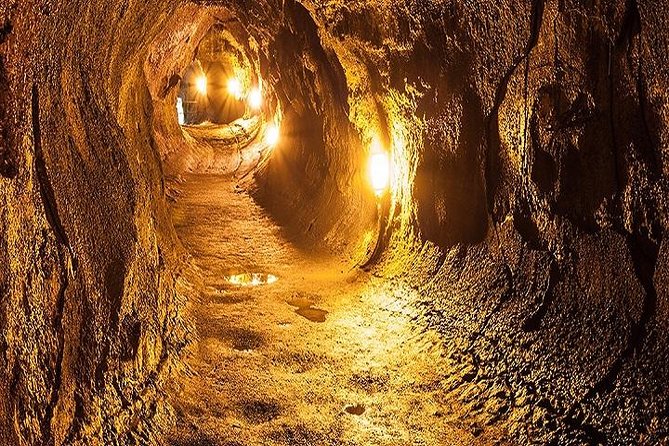
This is one of the stops I’m most excited for on this tour route because it’s a “walk with a story.” The lava tube is a natural tunnel formed by flowing lava. You’re not reading about geology; you’re inside it.
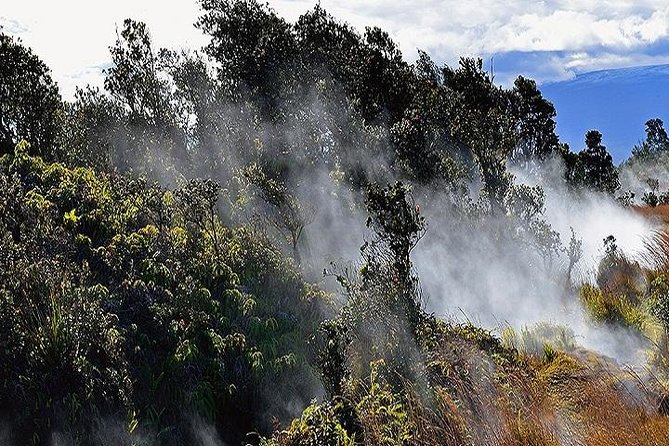
Active steam vents
Steam vents add sensory impact. You can feel the heat rising from the earth. It’s one thing to see volcanoes on a map. It’s another thing to stand near active geothermal vents and realize your feet are over power that keeps moving.
Safety and comfort notes you should take seriously
- Volcanic gases can be harmful, especially if you have respiratory issues like asthma. Follow your guide and park guidance.
- No cell service is common in parts of the park. Download anything you need beforehand.
- Wear sturdy, closed-toe shoes. Trails and surfaces can be uneven and sometimes sharp.
The park time is listed at about 2 hours, which means you’ll be busy but not rushed like a sprint. It’s enough to hit the major highlights without feeling like you’re stuck in one viewpoint the whole time.
Mauna Kea Access Road and Kohala Coast: Cold Air, Big Views
After the volcano park, the tour moves toward the higher country. The Mauna Kea Access Road is steep and winding, climbing from Route 200 (Saddle Road) through changing climates. As you go up, the air thins and temperatures can drop fast.
This is why the “bring layers” advice isn’t generic. It’s practical altitude reality. A light rain jacket helps too, since weather can shift quickly.
Then you move into the Kohala Coast area, which is known for beaches, resorts, and scenic viewpoints, with a drier climate than other parts of the island. Even if you don’t spend time walking on the beach, the coastal scenery can help you feel the scale of the island beyond volcanoes.
Hilo: Culture, Museums, and the Human Side of Natural Events
Hilo adds context after all that geology. It’s a town with history and museums, and the tour includes several stops that help connect Hawaiʻi to people, memory, and resilience.
You might see:
- Lyman Museum, with natural and cultural history.
- Hilo Historic District, with preserved early 20th-century buildings.
- Pacific Tsunami Museum, which explains how tsunamis have affected the region.
- Liliuokalani Gardens, a quiet place honoring Queen Liliuokalani.
There’s also mention of the Hilo Farmers Market as a lively local hub where goods and produce show everyday life in the region.
If you like your travel days to be more than scenic checkboxes, Hilo is a smart pairing. Volcanoes explain the physical island. Hilo explains how people lived through and learned from the island’s power.
Time Management and What to Pack for an 8–10 Hour Loop
This is not a sit-around tour. You’ll move between very different environments: coffee farms, forest trail sections, a black sand shoreline, and the volcano park’s active geothermal areas, plus high-elevation road conditions.
Plan for these realities:
- You’ll likely spend plenty of time in the van. If you’re prone to motion sickness, consider bringing medication before you board.
- The park and trail stops require closed-toe shoes. Flip-flops are not ideal for uneven volcanic terrain.
- Bring water and snacks. Meals are at your own expense, and at least one note flagged that the bakery can be overloaded.
- Bring sunscreen and a hat, even when it feels cloudy.
- Expect quick weather changes, especially at higher elevations on Mauna Kea access areas.
Also, remember: you’re in an active volcanic region. Follow marked trails and safety guidance, and don’t mess with anything that looks culturally significant. Respect sacred sites by leaving things alone.
Price and Value: Is $589.99 a Good Deal?
At $589.99 per person, this isn’t a cheap day. But you’re also getting a lot wrapped into one price.
Here’s what you do get that meaningfully changes the math:
- Round-trip airfare from Oʻahu to Kona is included.
- Hawaiʻi Volcanoes National Park admission is included.
- You have an air-conditioned vehicle and guided narration through multiple major stops.
- You get a small-group experience capped at 22 travelers, with a customized feel as described.
If you were DIY’ing, you’d still be paying for flights, then wrestling with rental car logistics, driving time across the island, and entry fees. Doing that in one day without turning it into a headache is exactly where a packaged tour can justify the cost.
What could make it feel expensive is if you show up hoping for a fully flexible day with no waiting and no crowds. The route is structured, and your experience depends on conditions like weather and visibility in the volcano area. But if your goal is maximum Big Island highlights with minimal hassle, it’s priced in a way that often feels fair.
The current rating is 4.7 out of 5 with 42 reviews, and it’s recommended by 95% of people. That doesn’t replace your decision-making, but it’s a useful signal that most folks get what they came for.
Should You Book This Volcano-and-Big-Island Tour?
Book it if you want one guided day that ties together volcanoes, coffee, coast, and Hilo context without you doing inter-island juggling. It’s especially a good fit when you have limited time on Hawaiʻi and you want the guide to handle the “what am I looking at” part.
Consider skipping or adjusting your expectations if you prefer fewer van hours, a mostly self-guided pace, or if you have respiratory issues and are concerned about volcanic gases. This day includes active geothermal areas, so take that risk factor seriously.
If you want my simple rule: if Hawaiʻi Volcanoes National Park is on your bucket list and you’d rather arrive prepared than figure out logistics, this tour is a solid choice.
FAQ
What’s included in the $589.99 per person price?
Round-trip airfare from Honolulu to Kona International Airport is included, along with transportation in an air-conditioned vehicle, narration from a local guide, and admission to Hawaiʻi Volcanoes National Park.
How long is the tour and when does it start?
The tour is listed at about 8 to 10 hours and starts around 8:00 am. Confirmation is received at booking.
Are meals included?
No. Meals are at your own expense. Lunch is scheduled at Punaluʻu Bake Shop, where you can buy options, and there are no meals included in the package.
What should I wear and bring for this trip?
Bring layers and a rain jacket for changing weather, especially higher elevations. Wear sturdy, closed-toe shoes for uneven volcanic terrain. Also pack water, snacks, sunscreen, and a hat.
Is cell service available during the tour?
No cell service is common in many parts of Hawaiʻi Volcanoes National Park. Download what you need before you go.
Can I get a full refund if I cancel?
Yes. You can cancel up to 24 hours in advance for a full refund. If you cancel less than 24 hours before the experience’s start time, the amount paid is not refunded.
Also on the Honolulu List
- Oahu Grand Circle Island and Haleiwa Tour: 9-Hr Deluxe Experience★ 5.0 · 17,387 reviews
- Oahu: Grand Tour Around Island 16 Locations plus Snorkeling★ 5.0 · 8,669 reviews
- Salute to Pearl Harbor Including USS Arizona★ 4.5 · 7,433 reviews
- Majestic Circle Island Tour with Lunch★ 5.0 · 7,014 reviews
Neighbor Islands Before Sunset
- Hawaii Volcanoes National Park Experience Departing from Oahu★ 5.0 · 240 reviews
- One Day Heavenly Hana Tour: Island Hopping from Oahu to Maui★ 4.5 · 17 reviews
- Oahu to Big Island Volcanoes National Park Adventure Tour★ 4.3 · 10 reviews
- From Oahu: Kauai Waimea Canyon & Wailua River Tour★ 3.7 · 8 reviews
The Latest from Kalakaua Avenue and Beyond


Island Hopping Day Adventures, compared.
 ★ 5.0Hawaii Volcanoes National Park Experience Departing from OahuFrom $589240 reviews
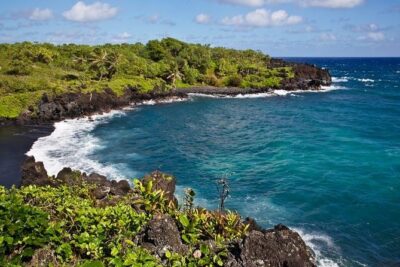 ★ 4.5One Day Heavenly Hana Tour: Island Hopping from Oahu to MauiFrom $54017 reviews
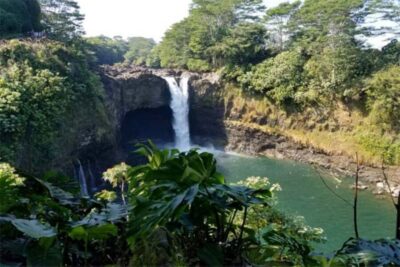 ★ 4.3Oahu to Big Island Volcanoes National Park Adventure TourFrom $57910 reviews
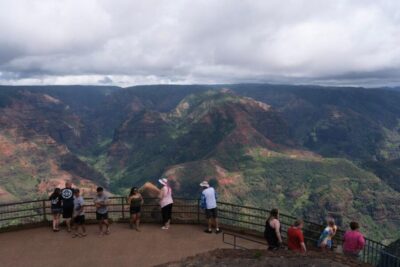 ★ 3.7From Oahu: Kauai Waimea Canyon & Wailua River TourFrom $5758 reviews
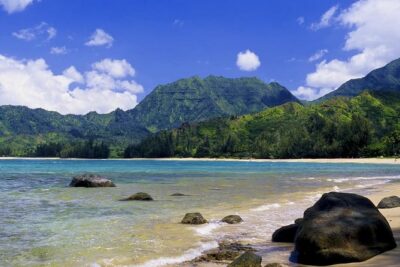 ★ 4.5One-Day Tour Hawaii Movie Tour: Island Hopping from Oahu to KauaiFrom $5403 reviews
Browse the lists this tour appears in