
REVIEW · HISTORIC DOWNTOWN & PALACE TOURS
Honolulu: Liljestrand House Architectural Tour
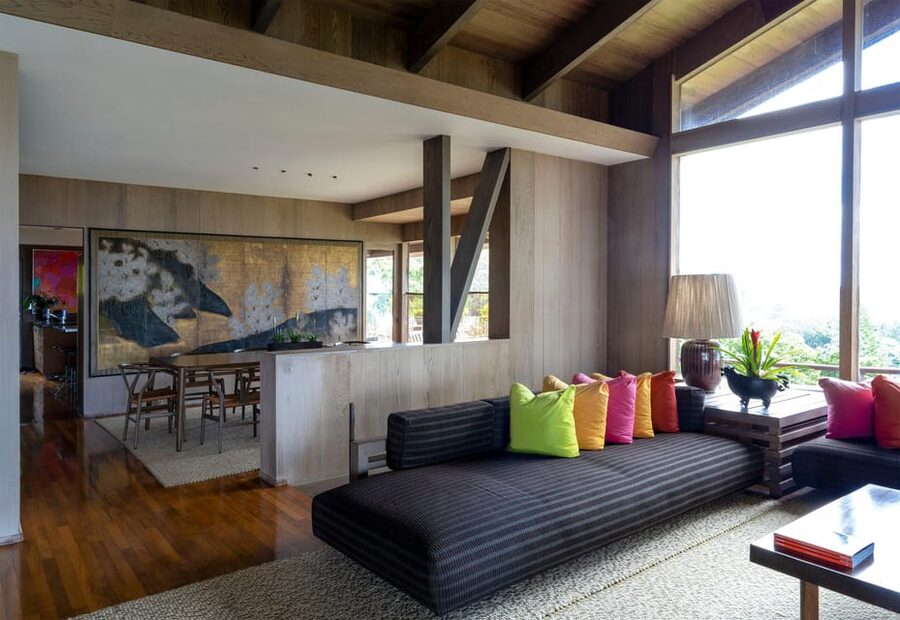
A house tour that feels like architecture class. The Liljestrand House is one of Honolulu’s best places to see Hawaiian modern design in action, guided by the thinking of architect Vladimir Ossipoff and how he shaped sightlines and materials to fit the place.
I loved how the tour turns design ideas into something you can actually notice, especially view management—you’re taught where to stand and what to look for. I also liked getting the human layer: the docent on our visit, Perry, shared perspective from living on the mountain and from having known Ossipoff. The main downside is simple: the house isn’t air-conditioned, so it can feel quite hot in summer and fall.
What you’ll get most from this tour
- A small group (10 max) means more time for questions and closer attention to details
- Docent Perry’s Ossipoff connection adds real-world insight beyond a standard lecture
- View management becomes obvious when you’re guided to specific sightlines
- Original furnishings and artworks help you read the house as a lived-in design
- Wood floors are fragile, so you’ll remove your shoes and step carefully
In This Review
- Liljestrand House and Vladimir Ossipoff: Why This Style Feels So Right in Hawaii
- Your 90 Minutes Inside: How the Tour Usually Flows
- Finding the Views: Ossipoff’s View Management, Explained Without Jargon
- Natural Materials and Original Details You Can Actually Spot
- The People Layer: Perry’s Insight and the Liljestrand–Ossipoff Connection
- Practical Stuff That Matters: Shoes, Heat, and What Not to Bring
- Price and Value: Is $78 for 90 Minutes Reasonable?
- Who This Tour Fits Best (And Who Might Not Enjoy It)
- Should You Book the Honolulu Liljestrand House Architectural Tour?
- FAQ
- How long is the Liljestrand House Architectural Tour?
- What is the group size?
- Is the house air-conditioned?
- Do I need to remove my shoes?
- Is the tour guide available in English?
- Are there rules about what I can bring or do?
Liljestrand House and Vladimir Ossipoff: Why This Style Feels So Right in Hawaii
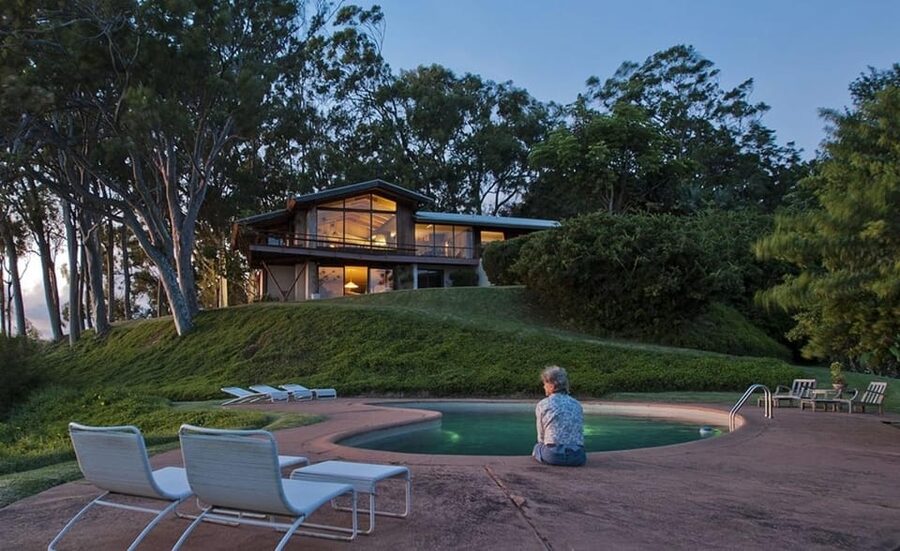
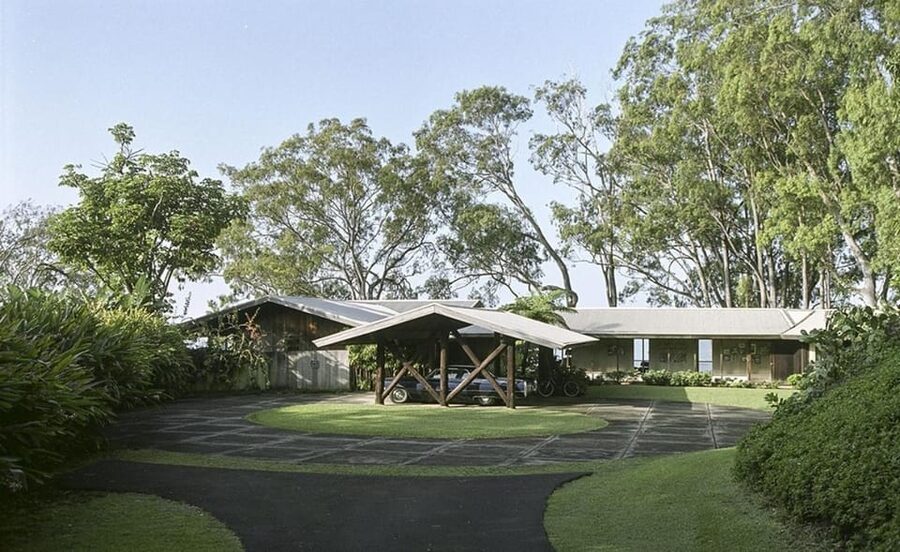
If you like architecture that works with the environment instead of fighting it, this is a strong stop. The Liljestrand House is preserved as a mid-century example of Hawaiian modern architecture, designed by Vladimir Ossipoff. What makes it practical (not just pretty) is how the design uses views and natural materials to shape daily life.
On this tour, you don’t just look at the building as an object. You learn how the design principles were meant to guide movement, frame scenes, and support comfort in a tropical setting. That’s the heart of Ossipoff’s approach as you’ll experience it here: the house is built for how people actually see the world from inside.
Your 90 Minutes Inside: How the Tour Usually Flows
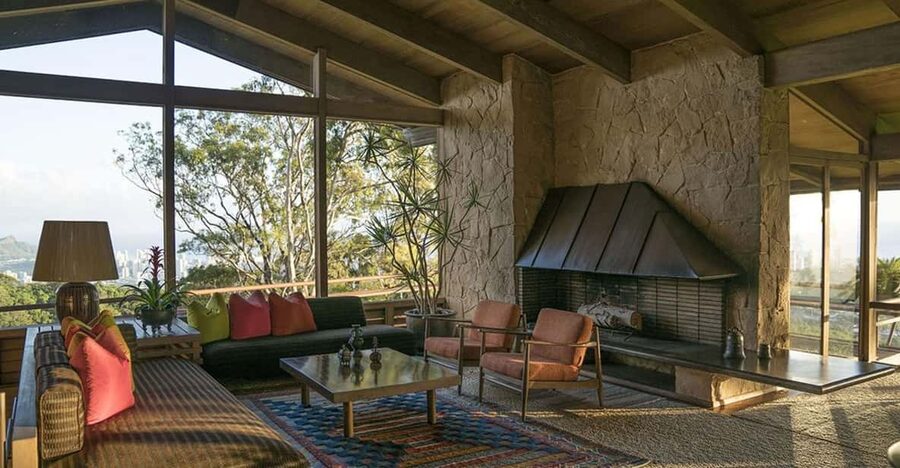
This is a 90-minute live guided walk through the house, led in English, with a small group of 10 people or fewer. The pacing feels intentional: you get time to listen, time to look, and time to ask follow-up questions when something clicks.
You’ll start with access to the house and a guide-led orientation to the space. From there, the tour moves through the key design moments the foundation wants you to notice—places where the house shows Ossipoff’s thinking about structure, materials, and how people experience space. You’ll also spend time on the original furnishings and artworks, since these pieces help tell what the Liljestrand family valued day to day.
A big theme is the relationship between the Liljestrands and Ossipoff. As you walk, you’ll hear how that friendship influenced the house, turning architecture into something personal rather than generic. It’s one of those rare tours where the history doesn’t feel like trivia—it feels like the logic behind the design.
Finding the Views: Ossipoff’s View Management, Explained Without Jargon
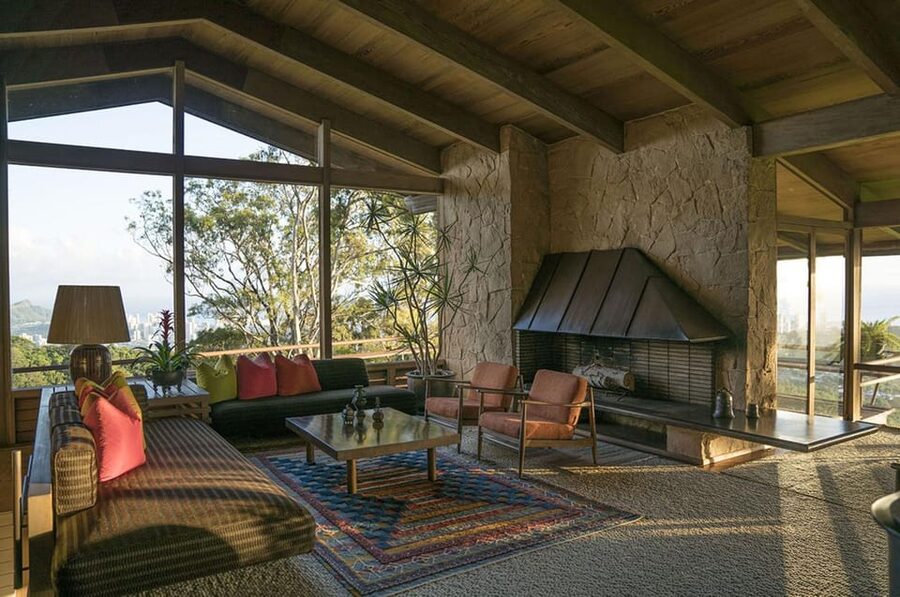
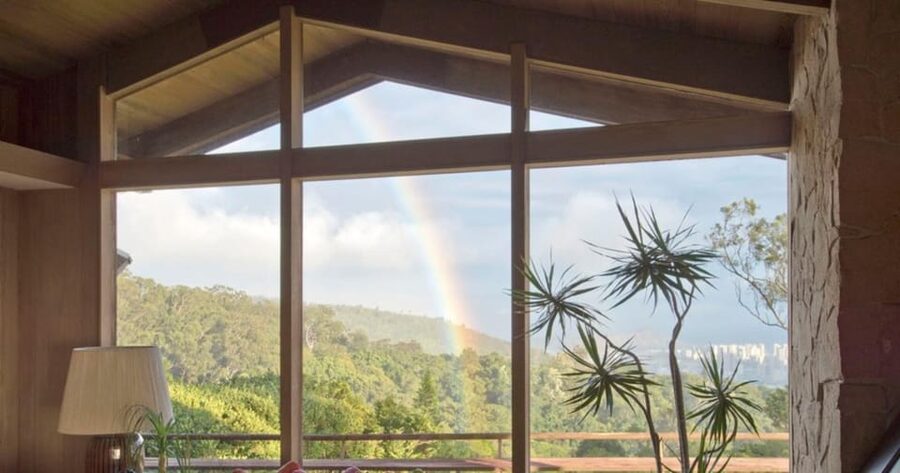
One reason this tour works is that it teaches you how to see. Ossipoff’s view management isn’t an abstract idea here—it’s something your guide points out while you’re standing where the design matters. You’ll learn to notice how the house guides sightlines instead of leaving everything to chance.
In practical terms, this means you’ll get a better sense of why certain openings, angles, and internal sightlines were chosen. It’s also why the house feels calm: you’re not trying to “find the view.” The design helps you see it in the right place and at the right moment.
If you’ve ever visited a building and thought, Where did the architect expect me to look?—this tour is the answer. The guide keeps steering your attention back to the experience of looking, and that makes the architecture feel purposeful.
Iolani, Chinatown and the old capital blocks, more angles



Natural Materials and Original Details You Can Actually Spot
A lot of architecture tours fail because they talk about design like it’s only about concept art. This one is different. You’ll connect Ossipoff’s principles to what you can observe firsthand—especially the way natural materials and workmanship are integrated into the space.
Pay attention to the original furnishings and artworks during your walk. Those items matter because they help you understand the house as a complete system: architecture plus the objects people lived with. When you see how the interior character ties into the design approach, the whole house starts to make sense as a single idea.
This is also where the tour’s preservation mission shows up. The Liljestrand Foundation isn’t just opening a structure for photos; it’s protecting the integrity of the house so the details still read the way they were intended. That’s why the tour doesn’t feel like a quick scan of rooms. It feels like guided interpretation of a preserved artifact.
The People Layer: Perry’s Insight and the Liljestrand–Ossipoff Connection
Architecture gets more interesting when you learn the people behind it. One highlight from our experience was docent Perry. He shared that he lived on the mountain and that he actually knew Ossipoff, which gave the tour an extra layer of realism.
That kind of firsthand context matters. It helps you understand that the design wasn’t created in a vacuum. You hear how the Liljestrand family’s life and their friendship with Ossipoff shaped the final result, and that turns the tour from sightseeing into understanding.
You’ll also notice how the guide uses that perspective to explain why certain decisions were made. Instead of sounding like a script, the commentary feels like someone connecting design choices to lived experience.
Practical Stuff That Matters: Shoes, Heat, and What Not to Bring
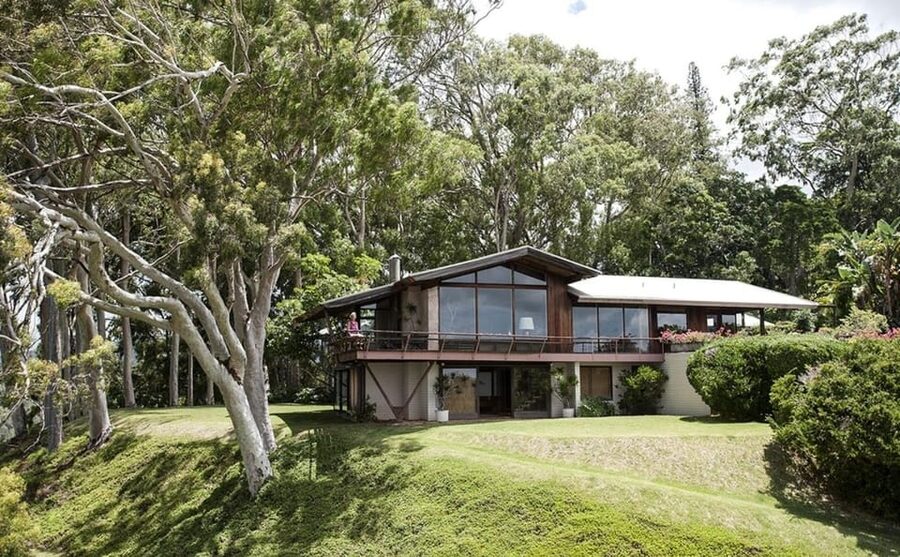
This tour comes with a few rules that are there for the comfort and the preservation of the house. The most important one: because of the fragile nature of the wood floors, you’ll need to remove your shoes. Come prepared to walk carefully on feet—or bring thin, easy-to-slip-on socks if that helps you feel steady.
Also note the building isn’t air-conditioned. If you’re visiting in summer or fall, plan for heat and dress accordingly. This can change the experience from relaxing to a little uncomfortable if you’re dressed for cooler weather or if you’re sensitive to warm indoor spaces.
For practical day-of planning, you should know what’s not allowed:
- Smoking and vaping aren’t permitted
- Pets aren’t permitted
- Backpacks, large bags, tripods, extension poles, and selfie-sticks aren’t permitted
That list is short, but it affects how hands-free you’ll be during the tour. Travel light so you can focus on the details instead of wrestling with gear.
Finally, the tour isn’t suitable for children under 10. If you’re traveling with younger kids, this one likely won’t feel like a good match.
- Oahu Grand Circle Island and Haleiwa Tour: 9-Hr Deluxe Experience
★ 5.0 · 17,387 reviews - Oahu: Grand Tour Around Island 16 Locations plus Snorkeling
★ 5.0 · 8,669 reviews - Salute to Pearl Harbor Including USS Arizona
★ 4.5 · 7,433 reviews - Majestic Circle Island Tour with Lunch
★ 5.0 · 7,014 reviews
Price and Value: Is $78 for 90 Minutes Reasonable?
At $78 per person for a 90-minute small-group tour, the price is not cheap—but it also doesn’t feel random. You’re paying for three things that are hard to replicate: limited capacity, a live docent, and access to a preserved mid-century home with original material details.
Because the group is capped at 10 participants, you’re not stuck in a crowded line while someone gives broad commentary. You get a closer, more attentive tour, especially when the guide is pointing out view management choices or guiding you to notice how materials were used.
The preservation angle also matters for value. The Liljestrand Foundation keeps the property as an educational and cultural resource, and your ticket supports that mission. If you care about architecture as something you can still study up close—not just imagine from the outside—this price starts to feel more justified.
Who This Tour Fits Best (And Who Might Not Enjoy It)
You’ll probably enjoy this most if you like design details, want a guided way to learn what to notice, and appreciate architecture that’s grounded in place. It’s also a good match for people who want context: you’re not just viewing a house; you’re learning how Ossipoff’s principles connect to the family that lived there.
It may feel like less of a fit if you’re expecting a long, outdoors-only visit or if you need air-conditioned comfort. The tour is inside an architectural space that can get hot, and you’ll be asked to remove your shoes.
Should You Book the Honolulu Liljestrand House Architectural Tour?
Yes, I’d book it if you want a high-quality, small-group architectural experience with a docent who can explain what you’re seeing. The standout factors are view management taught in context, original interior details, and the human layer you get from the guide, including Perry’s connection to Ossipoff.
Skip it if the idea of removing shoes indoors or dealing with heat in summer and fall would make you miserable. Also, if you’re traveling with kids under 10, this won’t be the right format.
If you’re the kind of person who likes to look longer than most—this is one of the best ways to do that in Honolulu.
FAQ
How long is the Liljestrand House Architectural Tour?
The tour lasts about 90 minutes.
What is the group size?
It’s a small group limited to 10 participants.
Is the house air-conditioned?
No. The house isn’t air-conditioned and can be quite hot during summer and fall months.
Do I need to remove my shoes?
Yes. The wood floors are fragile, so you’ll be asked to remove your shoes.
Is the tour guide available in English?
Yes, the live tour guide speaks English.
Are there rules about what I can bring or do?
Smoking and vaping aren’t allowed. Pets, backpacks, large bags, tripods, extension poles, and selfie-sticks are not permitted.
Also on the Honolulu List
- Oahu Grand Circle Island and Haleiwa Tour: 9-Hr Deluxe Experience★ 5.0 · 17,387 reviews
- Oahu: Grand Tour Around Island 16 Locations plus Snorkeling★ 5.0 · 8,669 reviews
- Salute to Pearl Harbor Including USS Arizona★ 4.5 · 7,433 reviews
- Majestic Circle Island Tour with Lunch★ 5.0 · 7,014 reviews
From Iolani to Chinatown
- Pearl Harbor, USS Arizona Memorial & Honolulu City Tour★ 5.0 · 4,866 reviews
- Pearl Harbor City Tour★ 5.0 · 4,254 reviews
- Oahu: Mauka Warriors Luau Honoring Polynesia’s Forgotten History★ 5.0 · 3,013 reviews
- Pearl Harbor, National Memorial Cemetery and Honolulu City Tour★ 4.5 · 1,777 reviews
The Latest from Kalakaua Avenue and Beyond





Historic Downtown & Palace Tours, compared.
 ★ 5.0Pearl Harbor, USS Arizona Memorial & Honolulu City TourFrom $944,866 reviews
 ★ 5.0Pearl Harbor City TourFrom $694,254 reviews
 ★ 5.0Mauka Warriors Luau Honoring Polynesia’s Forgotten HistoryFrom $1453,013 reviews
 ★ 4.5Pearl Harbor, National Memorial Cemetery and Honolulu City TourFrom $591,777 reviews
 ★ 4.5Tribute to Pearl Harbor Arizona Memorial and Honolulu City TourFrom $45733 reviews
 ★ 4.0Pearl Harbor USS Arizona Memorial and Honolulu City Tour460 reviews
 ★ 4.5Deluxe Pearl Harbor USS Arizona Memorial and Honolulu City TourFrom $47411 reviews
 ★ 5.0Grand Pearl Harbor and City TourFrom $69342 reviews
Browse the lists this tour appears in